When should women refresh scalp micropigmentation?
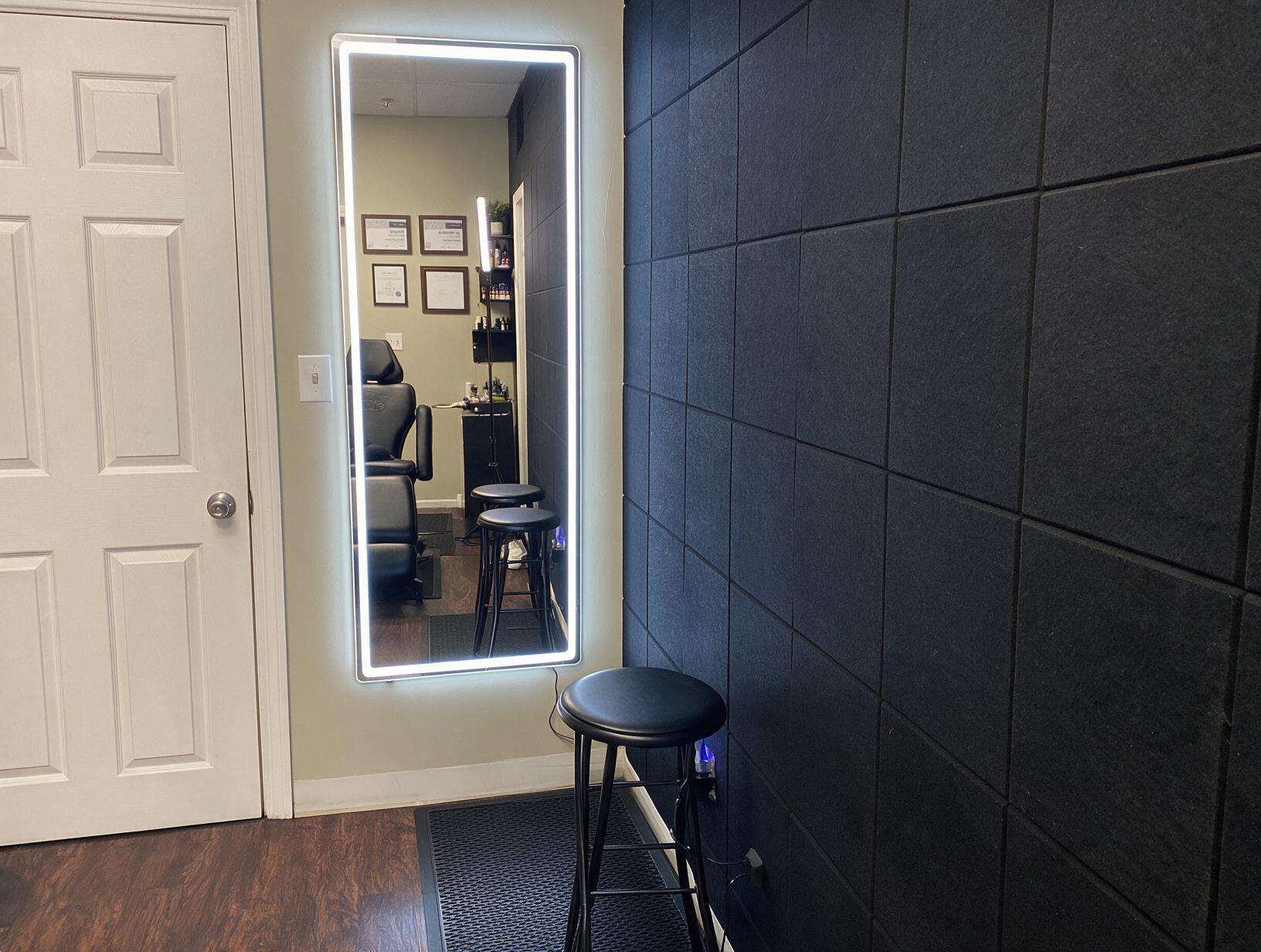
For most women, scalp micropigmentation holds well for about one to three years before a refresh is worth considering. The timing varies with skin type, sun exposure, scalp care, and how the pigment settles. A consultation lets me assess fading and decide whether a light top-up is appropriate.
Why does the result need a refresh?
Scalp micropigmentation is designed to be long-lasting, but it is not completely unchanged forever. The pigment sits in the upper layers of the skin, where natural skin renewal gradually softens its appearance. A refresh restores definition when the dots no longer look as crisp or when the overall density effect has become less noticeable.
This is different from the treatment simply washing away. Shampoo does not remove properly applied SMP. Over time, however, sun exposure, skin turnover, oiliness, medication, other hair loss treatments, and individual skin biology can influence how quickly the result becomes lighter.
Women often seek treatment for diffuse thinning, a widening part, visible scalp, alopecia, or scarring. Because the goal may be to reduce scalp show-through between existing hairs, small changes in contrast can be noticeable before the pigment looks obviously faded. That does not necessarily mean the work has failed. It may simply be time to review it.
What affects women SMP longevity?
There is no single timetable that applies to every client. During consultation, I look at the treatment area, your skin, your hair pattern, and the way you live day to day. These factors commonly affect how long the result remains clear:
-
Sun exposure: ultraviolet exposure can speed pigment fading. Regular scalp protection is particularly important if you spend a lot of time outdoors.
-
Skin type: oilier skin or a faster rate of skin turnover may mean that a refresh is needed sooner. Mature, drier skin may hold the appearance for longer.
-
Aftercare: following the healing guidance helps the pigment settle properly and reduces avoidable irritation.
-
Hair loss changes: SMP does not stop hair loss or stimulate regrowth. If your pattern changes, the treatment may need to be reviewed so it continues to blend naturally.
-
Area treated: density work between existing hairs can be affected by changing hair length and continued thinning, while a shaved look may be assessed differently.
For a broader explanation of maintenance, you can read my guide to SMP longevity and the touch-up timeline.
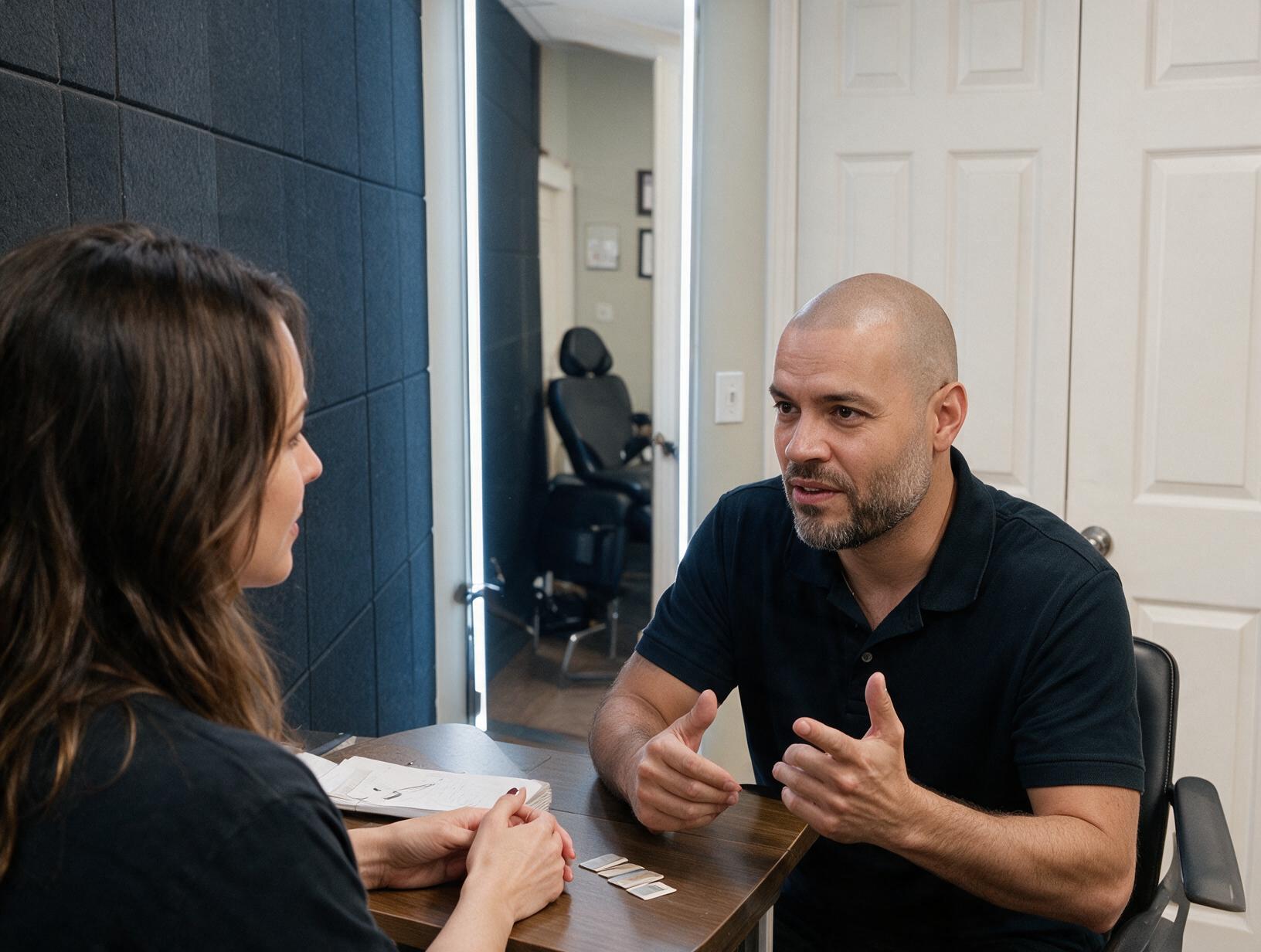
What happens during a female scalp micropigmentation refresh?
A female scalp micropigmentation touch up is usually more focused than the original course. I first assess the healed result in natural light, looking at pigment retention, softness, density, and whether the treatment still suits your current hair pattern. I also ask what you have noticed since the original sessions.
If the pigment has only lightened slightly, the refresh may involve carefully adding pigment to selected areas rather than repeating the complete treatment. The aim is to restore balance, not automatically make the scalp darker. Adding too much pigment can produce an appearance that is heavier than the surrounding hair, so restraint matters.
Most initial treatments are completed over two to four sessions, usually spaced a few weeks apart. This progressive approach allows me to see how your skin heals and how the pigment settles before building further density. A later refresh is assessed separately and does not automatically require the same number of appointments.
Numbing is available if needed. Numbing cream is not routinely used because, depending on skin type and reaction, it may affect pigment retention. If it is appropriate, it can be applied one hour before the session. I will explain the choice before treatment rather than leaving you to guess.
How can you help SMP last longer?
Good aftercare starts immediately after each session. The exact instructions I give you take priority, but general guidance includes keeping the scalp dry, avoiding heavy exercise, steam rooms, and hot showers that cause sweating, and protecting the scalp from direct sun exposure during the early healing period.
For the first several days, avoid washing, shampooing, sweating, and shaving the treated scalp. As healing progresses, gentle washing can resume according to the instructions provided. Do not pick scabs or interfere with flakes. Temporary darkening, lightening, flaking, or mild scabbing can be part of normal healing, and the early appearance is not the final result.
After the area has healed, broad-spectrum sunscreen is one of the simplest ways to protect the pigment. A hat can also help during prolonged sun exposure. Avoid harsh exfoliation on the treated area, and keep the scalp moisturized if it becomes dry. These habits cannot stop natural fading, but they may help preserve a softer, more even result.
How do I know whether a refresh is right for me?
Do not book a refresh solely because a particular month has arrived. Instead, look for changes such as reduced definition, lighter dots, uneven retention, or more visible scalp in areas that previously blended well. If your hair loss has progressed, the right plan may involve discussing the pattern and hair length as well as pigment.
Choosing the practitioner carefully is important. Review healed examples, not only fresh work, and pay close attention to hairline design. A hairline that is poorly designed can look unnatural, particularly as the face and hairstyle change over time. At Supreme SMP in Wilmington, Massachusetts, I assess the intended finish around your facial structure, age, existing hair, and expectations.
I am Steven Rodriguez, a licensed body art practitioner with three scalp micropigmentation certifications (fundamentals and two masters), and a blood-borne pathogens certification. My background also includes human anatomy and physiology, visual communications, and barbering. You can learn more about the scalp micropigmentation service and see relevant examples through the clinic's client results and testimonials.
A consultation is a good way to decide whether your result needs a light refresh, an adjustment, or simply more time to settle.
If you would like to talk it through, you are welcome to book a consultation whenever you feel ready.
Frequently asked questions
Can female scalp micropigmentation look natural with existing hair?
Yes. SMP can be placed between existing hairs to reduce the contrast between hair and scalp, rather than creating a fully painted appearance. For women with diffuse thinning, the plan is usually based on your natural density, hair color, parting, and hairstyle. Some visible scalp remains normal and helps the result look believable.
Will a refresh make the pigment darker than my original treatment?
Not necessarily. A refresh should be planned around the healed color and the areas that have lightened. I may add pigment selectively instead of increasing density everywhere. The purpose is to restore balance and definition, while avoiding an overly saturated result that does not match your existing hair or surrounding scalp.
Can I have SMP if my female hair loss is still progressing?
It may be possible, but the timing and treatment plan need careful discussion. SMP does not treat the cause of hair loss, so continued thinning can change the way the coverage looks. Before treating suspected female pattern hair loss, medical assessment and appropriate blood tests may be recommended to exclude other causes.
Is scalp micropigmentation permanent or temporary?
SMP is intended to be a permanent cosmetic treatment, although its visible appearance softens and fades over time. If you later decide you no longer want it, laser removal may be possible, but removal can be more complicated when the original pigment was placed incorrectly. A careful initial consultation is therefore important.
Can I use hair fibers or hair loss products after SMP?
Some clients continue using hair loss products or cosmetic fibers, but the combination should be discussed during consultation. Products, skin reactions, and changes in hair density can affect how the result looks and how long it remains balanced. Follow the specific aftercare guidance for the healing period before applying anything to the treated scalp.
What should I do if the scalp becomes unusually red after treatment?
Mild temporary redness can occur after a cosmetic tattoo procedure, but worsening redness, warmth, swelling, unusual discomfort, or other unexpected changes should not be ignored. Contact the practitioner promptly if you have a healing concern beyond what was discussed at consultation. This article is general information, not medical advice.
Does scalp color or hair color change the refresh schedule?
Color alone does not determine the schedule. I match the pigment to your current hair follicle color and assess how the dots have healed in your skin. Changes such as coloring your hair, going gray, shaving, or developing more visible thinning may affect how the result is perceived and whether an adjustment is useful.