How women can use SMP for a natural density effect
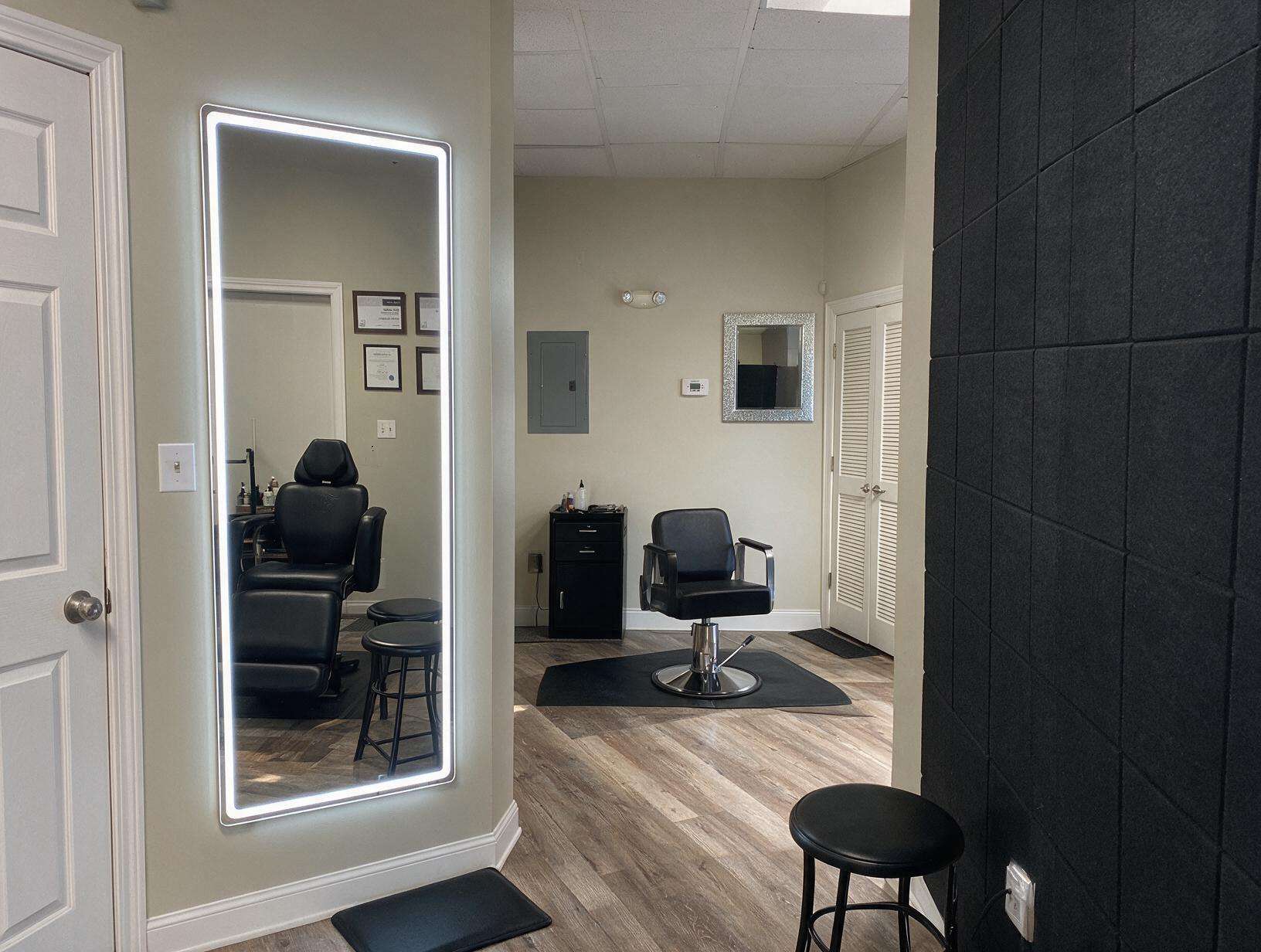
Scalp micropigmentation for women is usually designed to reduce scalp show-through between existing hairs, rather than create a shaved-head appearance. I adapt the placement, density, pigment color and hairline to your pattern of thinning, hair length, skin, age and personal preference. The treatment remains cosmetic camouflage, not hair regrowth.
What is different about SMP for women?
When I discuss women scalp micropigmentation, I start with the pattern of hair loss, not with a standard template. Many women retain their frontal hairline while experiencing diffuse thinning through the part, crown, temples or other areas. Some have alopecia, scarring, treatment-related hair loss or a localized area where the scalp is more visible.
That means the goal is often density. I place small, controlled impressions of pigment between existing hairs to soften the contrast between hair and scalp. The result should not look like a solid layer of color or a painted scalp. Some visible scalp is normal and helps the treatment remain believable.
Men may choose a closely shaved look, a receding hairline treatment or density work beneath short hair. Women can choose those options too, but many prefer to keep longer hair and have the pigment work quietly beneath it. The visual design therefore needs to fit how you wear your hair every day.
SMP does not grow hair, change natural growth or repair the cause of thinning. It creates the appearance of greater fullness. If you have suspected female pattern hair loss, it is sensible to speak with a physician about appropriate assessment, including whether blood tests are needed to rule out other causes, metabolic conditions or hormone imbalances.
How do I design scalp micropigmentation on women?
I assess the areas where light is showing through and how those areas relate to your existing hair. I also consider your hair color, skin tone, hair length, lifestyle and the result you want to see in normal daylight. Pigment is selected to match your current hair follicle color, rather than simply choosing the darkest shade available.
Hairline design is particularly important. A woman who has kept a natural frontal hairline may not need a new one at all. If the temples or front appear sparse, I can discuss a soft, mature transition instead of a hard, drawn border. The shape should relate to facial structure and age, and it should still look appropriate if your hairstyle changes.
Density also needs restraint. Too much pigment placed too closely together can make the scalp look artificially dark. I work toward a pattern that supports your natural hair instead of competing with it. This is one reason I recommend reviewing a practitioner's healed hairline and density work, not only fresh photographs.
At Supreme SMP in Wilmington, Massachusetts, I provide female SMP as well as services for alopecia and scars. My training includes three scalp Micropigmentation certifications, a blood-borne pathogens certification, a diploma in human anatomy and physiology, and a body art practitioner license. My background as a barber and visual communications graduate also informs how I approach proportion, hair and design.
Can women keep their hair long after treatment?
Yes. Density SMP is commonly planned between existing hairs, so you do not have to choose a shaved appearance simply because you are having treatment. Longer hair can cover the scalp from some angles, while the pigment reduces the contrast where the scalp remains visible. Your daily styling routine matters when we plan placement.
If you have enough remaining hair, I may discuss keeping it at a fine stubble length in treated areas when that suits the design. More advanced hair loss may be better balanced with a fully shaved look. I explain the options during consultation rather than assuming one style works for every woman.
You can read more about whether micropigmentation can make thinning hair look fuller. I can also talk you through how density work looks once it has settled.
What happens during a women's SMP course?
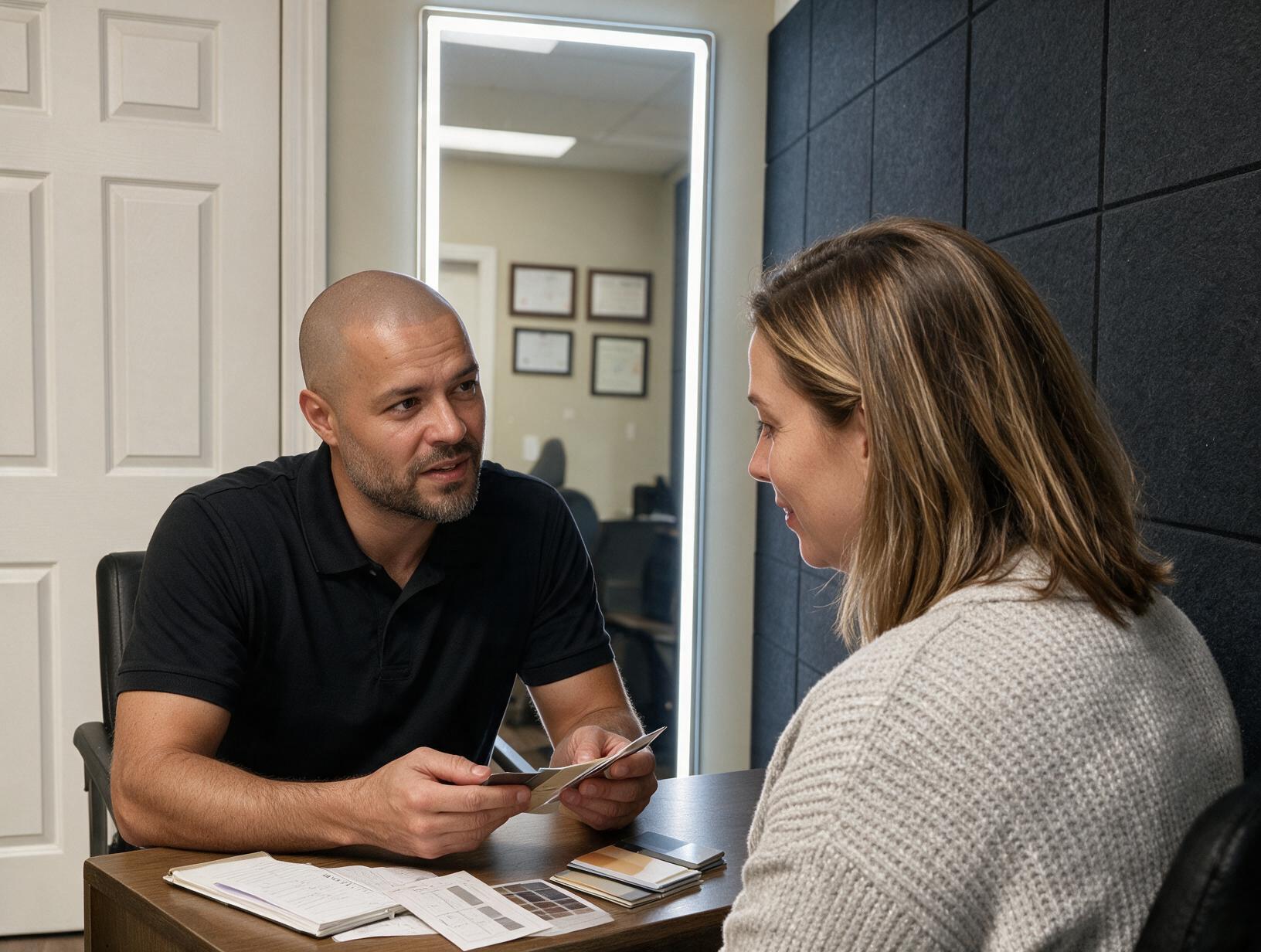
Before treatment, wash your hair and scalp. During the consultation, I review your goals, medical history, allergies, scalp condition, hair pattern and expectations. We mark the areas being treated, discuss any hairline work, and agree on pigment color and density before proceeding.
Most treatments are completed over two to four sessions, usually spaced a few weeks apart. The number depends on the area, the degree of thinning, your skin and how the pigment settles. Numbing cream is not typically used because it can affect pigment retention depending on skin type and reaction, but it is available when needed and applied one hour before the session.
The scalp can look stronger immediately after an appointment. As it heals, the appearance settles and lightening is expected. I do not promise an identical result for every client because skin, hair, health and aftercare all influence the finished appearance.
How should women care for the scalp afterward?
For the first days, keep the scalp dry. Use a shower cap when bathing, avoid shampooing, heavy exercise, steam rooms and hot showers that cause sweating, and protect the scalp from direct sun. Follow the specific instructions I give you, and do not pick scabs or interfere with healing.
General aftercare guidance includes avoiding water, shampoo, sweating and shaving during the initial healing period, then washing gently as advised. Avoid swimming pools for the recommended healing period. Once healing allows, use broad-spectrum sunscreen on the scalp long term, because sun exposure can contribute to fading.
Tell me about allergies before treatment. Anyone with active eczema or psoriasis, or a history of keloid or spontaneous keloid scarring, should discuss SMP with a dermatologist before proceeding. A qualified practitioner should also use appropriate hygiene and blood-borne pathogen precautions.
SMP is intended as a lasting cosmetic treatment, but it gradually fades. At Supreme SMP, it typically holds well for one to three years before a top-up is recommended. Skin type, sun exposure, lifestyle and the treated area affect maintenance. You can learn more on my scalp micropigmentation service page.
How do I choose the right practitioner?
Look for clear evidence of natural hairline work, density work on women, healed results and experience with different skin tones and hair colors. Ask what pigments are used, how the practitioner plans spacing and how complications or future removal would be handled. SMP can be removed with laser treatment, but careful original application can reduce the likelihood of difficult correction.
I invite prospective clients from Wilmington and the Boston area to compare examples carefully. My scalp micropigmentation client testimonials from the Boston area can help you understand the type of work I provide, but photographs should support, not replace, a personal consultation.
If you are considering treatment, you are welcome to book a consultation so we can discuss your scalp, hair pattern and preferred result.
Frequently asked questions
Is scalp micropigmentation suitable for women with blonde or gray hair?
It can be. I choose pigment to work with your current hair follicle color, rather than automatically using a dark shade. Blonde, brown, black and gray hair each require careful consideration of contrast, spacing and density. The aim is to make the scalp less prominent while preserving the appearance of your natural hair.
Will women's SMP look like hair fibers?
The visual purpose can be similar because both reduce contrast between scalp and hair, but SMP is placed into the scalp and does not wash out with shampoo. It should not create a solid coating. I use individual impressions and controlled spacing so the result supports the hair that is already present.
Can SMP help after chemotherapy-related hair loss?
Some women consider SMP after chemotherapy-related hair loss, alopecia or a stable scalp scar. Suitability depends on whether the scalp and hair loss pattern are ready to assess. I would discuss your history, current hair growth and expectations during consultation, and you should also follow guidance from your medical team.
Can women have SMP after a hair transplant?
SMP may be used between existing hairs to reduce visible scalp or to camouflage some donor-site scarring after transplantation. Timing and suitability depend on healing and the condition of the scalp. I would need to assess the area in person rather than recommend treatment from photographs alone.
Is women's SMP permanent?
SMP is intended to be a permanent cosmetic tattoo treatment, although the visible result fades gradually as skin renews and environmental factors affect the pigment. At Supreme SMP, I explain that it typically holds well for one to three years before a top-up is recommended. Laser removal may be possible if needed.
What if my hair loss is still changing?
Changing hair loss can alter how the surrounding natural hair frames the treated area. I discuss the stability and pattern of your loss before treatment, along with how future thinning might affect the design. SMP does not stop progression, so realistic planning is important when the cause has not been established.
Can SMP cover a scalp scar in a woman?
SMP can be considered for some scalp scars, including scars associated with surgery, injury or hair transplantation. Scar tissue can accept pigment differently from unaffected skin, so the result and number of sessions vary. I assess the scar’s maturity, texture, color and surrounding hair before discussing whether treatment is appropriate.