Can SMP keep up with ongoing hair loss?
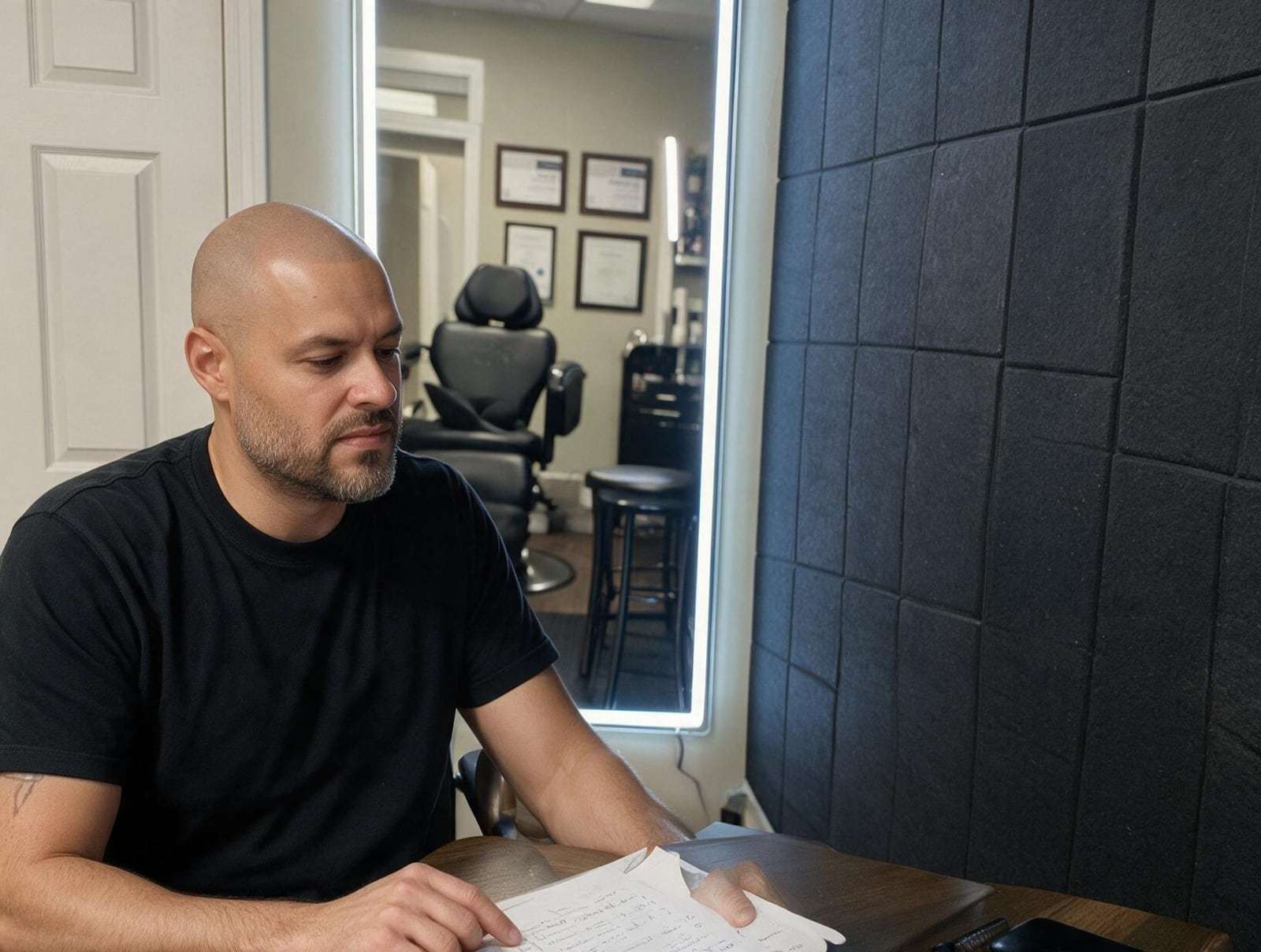
Scalp micropigmentation can suit some people whose hair loss is still progressing, but timing and pattern matter. It does not stop hair loss or grow hair. I assess whether the current areas can blend naturally, explain how future changes may affect the result, and recommend medical assessment when loss is rapid, patchy or unexplained.
What happens when hair loss continues after SMP?
SMP reduces the contrast between your scalp and your hair by placing carefully matched pigment in the areas where scalp show-through is most noticeable. It does not change your natural growth, damage existing follicles or treat the cause of hair loss.
That distinction matters when your hair is still thinning. If more scalp becomes visible later, the original treatment may no longer provide the same visual balance. In some cases, the pigmented area can be adjusted during a future session. In others, the pattern may change enough that a broader plan is more appropriate.
I do not try to make a changing hairline look permanently fixed. My aim is to create a result that makes sense with your current hair, usual grooming and likely direction of change. This is especially important when you still have substantial hair around the treated area.
When is SMP for progressive hair loss a reasonable option?
Progressing loss does not automatically rule out scalp micropigmentation for hair loss. It may be suitable when the pattern is familiar, the scalp is healthy and the treatment can blend with the hair you have now.
For example, I may assess a receding hairline, widening part, crown thinning, diffuse loss, small alopecia patches or scarring. Density SMP can place pigment between existing hairs to reduce visible scalp without creating a solid, painted appearance. A fully shaved look may make more sense when loss is already advanced, because there is less natural hair available to blend with.
The pattern matters as much as the amount of loss. Male pattern recession can often be planned around a natural-looking hairline that respects age and facial structure. Female pattern hair loss commonly appears as diffuse thinning while the frontal hairline remains relatively preserved, so the design may focus on reducing show-through rather than drawing a new hairline.
If a receding hairline is your concern, my page on density SMP for a receding hairline goes into more detail.
When should you wait or seek medical advice first?
If your hair loss is rapid, patchy, painful, inflamed or unexplained, I would not treat it as a straightforward cosmetic concern. Medical assessment may be needed before camouflage, particularly if you have signs of an active scalp condition or a pattern that has changed suddenly.
For suspected female pattern hair loss, blood tests may be appropriate to exclude other diseases, metabolic conditions or hormone imbalances that can cause similar-looking loss. SMP can conceal visible contrast, but it cannot diagnose or manage those underlying causes.
I also ask about eczema, psoriasis, scalp acne, keloid or spontaneous keloid scarring, allergies, medication and previous procedures. Active skin problems should settle first. Anyone prone to keloids should discuss the risks with a dermatologist before considering tattoo-based treatment.
Disclosing allergies is important. A careful practitioner will discuss the pigments being used, may suggest a small patch test in an inconspicuous area, and follows appropriate hygiene and licensing requirements. At Supreme SMP in Wilmington, Massachusetts, I am a licensed body art practitioner with three SMP certifications and a blood-borne pathogens certification.
How do I plan SMP when hair keeps thinning?
At consultation, I look at your current density, hair color, skin type, scalp condition, usual hairstyle and the areas where light catches the scalp. We discuss whether a localised treatment could blend naturally or whether adjacent zones need consideration for a consistent result.
Hairline work deserves particular attention. A poorly planned hairline can look unnatural even when the rest of the treatment is well executed. I discuss whether you want a soft, mature appearance or a crisper, more youthful shape, then consider your facial structure and age rather than choosing a generic outline.
The pigment is matched to your current hair follicle color. The goal is not to make the scalp look black or heavily filled in. Some scalp showing through is normal and helps the result resemble natural hair. I also discuss grooming. Fine stubble may blend well when hair remains, while a fully shaved style may be more suitable with advanced loss.
Most treatments are completed over two to four sessions, usually spaced a few weeks apart. Numbing is available if needed and is applied about 1 hour before the session. I explain the expected result and how future thinning could affect it before we decide whether to proceed.
What should you expect after treatment?
Keep the scalp dry during the first days, including avoiding shampoo, sweating, heavy exercise, steam rooms and hot showers. Use a shower cap when bathing and avoid direct sun exposure for several days. Follow the specific aftercare instructions I provide, do not pick at any scabs and understand that color lightening during healing can be normal.
After the initial healing period, gentle washing can resume. Long term, broad-spectrum sunscreen on the scalp helps protect the pigment from sun-related fading. Supreme SMP advises that results typically hold well for one to three years before a top-up is recommended, although skin, lifestyle and sun exposure all influence longevity.
If your hair continues to thin, a review can help determine whether the existing treatment still blends naturally or whether an adjustment is sensible. SMP is intended to be long lasting, but laser treatment can remove it later. Removal can be more complicated when pigment has spread or been placed incorrectly, which is why I encourage you to review healed work and have a thorough consultation first.
You can explore the scalp micropigmentation service and see whether your concerns are represented among the treatment options. I also invite you to review real examples of my work, including the client testimonials and SMP examples from the Boston area.
If you are unsure whether now is the right time, you are welcome to book a consultation and talk it through without pressure.
Frequently asked questions
Can I have SMP if I am taking hair-loss medication?
Possibly, but I need to know what you are taking and why. Medication does not make SMP a treatment for the underlying loss, and your pattern may continue to change. Bring a complete medication history to consultation so I can assess the scalp, discuss timing and explain how future changes may affect the appearance.
Will future thinning leave an obvious outline around the SMP?
It can, depending on where the original pigment was placed and how your hair loss develops. Careful planning avoids treating only a small area when surrounding zones are likely to change. If more scalp becomes visible later, a review may allow the pigmented area to be adjusted for a better blend.
Is progressive hair loss a reason to choose a shaved SMP look?
Sometimes. A shaved look can be easier to maintain when hair loss is advanced or continuing across a broad area, because there is less contrast between natural hair and the pigment. It is not the right style for everyone, so I discuss your normal grooming habits and preferred appearance before recommending an approach.
Can SMP be used for a widening part while the rest of my hair is stable?
A localised treatment may suit a widening part, crown or temple area if the surrounding hair and scalp provide a natural blend. I assess whether treating only that zone will remain balanced as time passes. In some cases, adjacent areas need consideration so the result does not look isolated.
What if my hair loss is patchy rather than gradual?
Patchy loss needs more careful assessment because the cause and future pattern may not be clear. Alopecia areata, inflammation, scarring and other conditions can look different from ordinary thinning. I recommend medical assessment for rapid, unexplained or active loss before cosmetic camouflage is planned.
Can SMP cover thinning after a hair transplant?
It may help reduce the appearance of scalp show-through between grafts or disguise donor-area scarring, depending on the condition of the skin and the transplant result. Timing is important, and the scalp must be fully healed. I would assess the graft pattern, scars and your ongoing hair-loss plan first.
How should I choose an SMP practitioner for changing hair loss?
Look beyond fresh photographs. Ask to see healed work, especially hairlines and density treatments similar to your pattern. Discuss pigments, licensing, hygiene, aftercare, future thinning and removal before booking. A practitioner should be able to explain what SMP can and cannot do without promising to stop the hair-loss process.