What to expect from your scalp treatment appointment
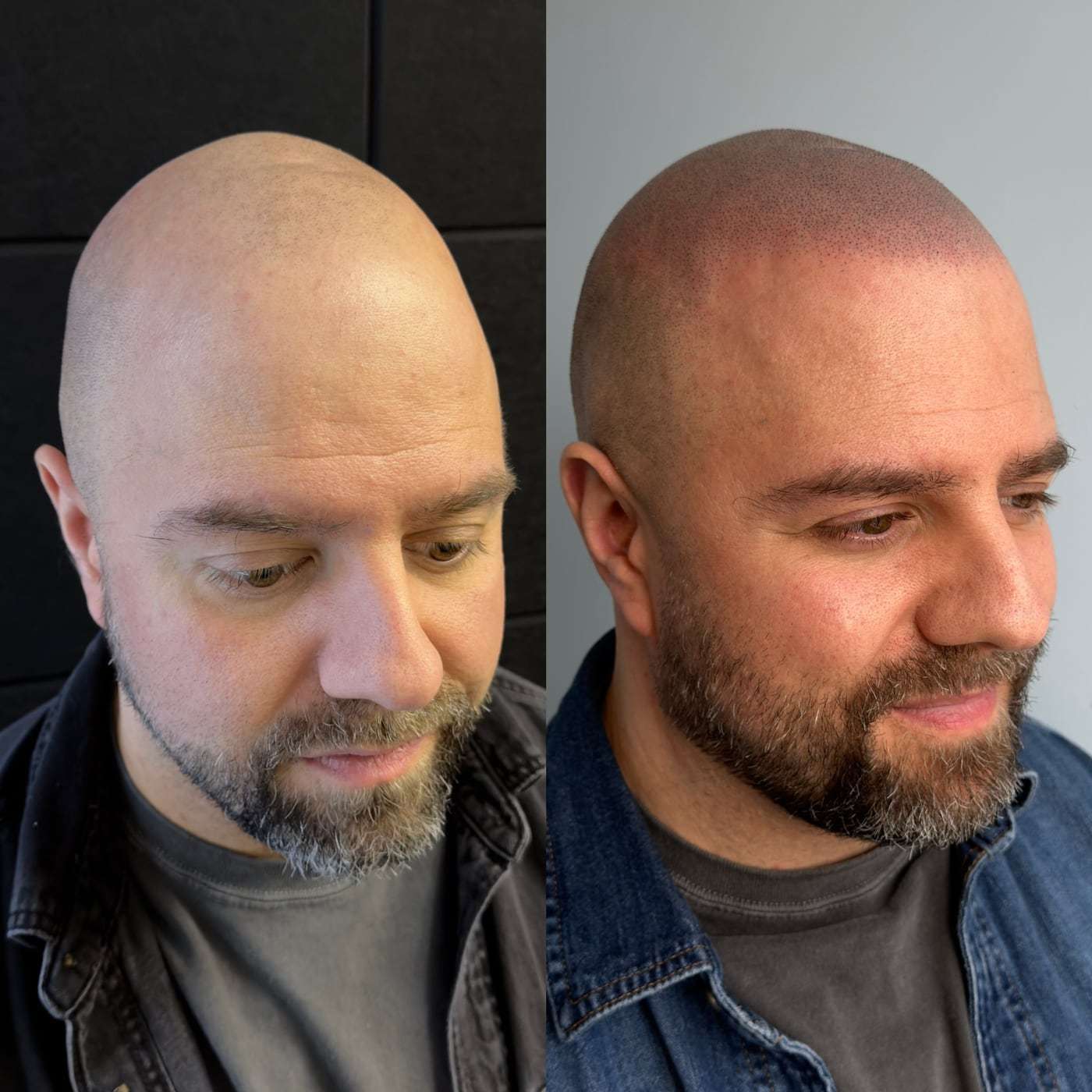
A scalp micropigmentation session length varies with the treatment area, hair loss pattern and amount of detail required, and I assess this at consultation. Most clients complete treatment over two to four sessions, usually spaced a few weeks apart, so I can assess how the pigment settles before refining the result.
What happens during a scalp micropigmentation session?
When you come to Supreme SMP, I do not treat the session as a race to cover as much scalp as possible. The aim is to build a natural follicle impression gradually, with careful attention to placement, spacing and tone.
Before I begin, we discuss the areas you want to improve and look at your scalp in its natural state. I assess your existing hair, the pattern of thinning or loss, your skin, and the way your preferred hairstyle affects the design. This is important whether you are considering a shaved look, density work between existing hair, or camouflage for alopecia or a scar.
I then mark the treatment area and agree the hairline with you. For a fully shaved look, the hairline needs to suit your facial structure and age. A soft, mature hairline may be more appropriate than a very crisp, youthful edge, although the right choice depends on your features and preference.
Next, I select a pigment that matches your current hair follicle color. SMP is not about placing black ink on the scalp. The small deposits need to sit comfortably alongside your natural hair and skin tone, so color selection and controlled application both matter.
The application itself involves placing many small pigment impressions across the scalp. I work carefully around sensitive areas such as the temples and frontal hairline, and I can adjust the pace if you need a pause. Numbing cream is not typically used because it may affect pigment retention depending on skin type and reaction, but it can be applied one hour before the session when appropriate.
Why are several appointments usually needed?
Most treatments are completed over two to four sessions, normally with a few weeks between appointments. That spacing gives the skin time to settle and allows me to see how the pigment has been received before adding more.
The first session generally establishes the foundation. Later appointments can build density, refine the hairline, balance areas that have healed differently, and make small adjustments to the overall impression. This staged approach is particularly useful when treating a larger area, diffuse thinning, scarring or a scalp affected by alopecia.
Trying to complete everything in one visit can make it harder to judge the healed result. The scalp may look darker or more intense immediately after treatment, and some lightening during healing is normal. I prefer to make decisions based on how the work has settled rather than relying only on its appearance on the day.
The exact scalp micropigmentation session length depends on the size of the area and the work involved. A small hairline refinement may require less time than full scalp coverage or male density treatment. I will explain the likely plan during your consultation rather than give you an unrealistic fixed schedule.
Does the consultation count as part of the appointment time?
Your consultation is a separate part of the process and should not be rushed. It is where we discuss your goals, medical and scalp history, expectations, hairline options and aftercare. It is also the right time to disclose allergies, skin conditions, medication and any history of unusual scarring.
I will explain that SMP creates the appearance of follicle shadow or fuller coverage. It does not grow hair, change the underlying cause of hair loss or create a fully painted, dense scalp. Some visible scalp between the impressions is a normal part of a realistic result.
If you have active eczema, psoriasis, scalp acne or another irritated scalp condition, treatment may need to wait until the skin is calm. Anyone prone to keloid scarring should seek appropriate professional advice before proceeding. For suspected female pattern hair loss, it is also sensible to speak with a doctor about other possible causes before treating the appearance of thinning.
When you are comparing practitioners, I recommend looking closely at healed hairline work rather than only fresh photographs. The hairline is one of the most visible parts of the treatment, and a careful design is central to an undetectable result. You can read more about the scalp micropigmentation service before arranging a consultation.
How should I prepare for the session?
Preparation is straightforward. Wash your hair and scalp before arriving, so the area is clean and free from styling products. Come with your usual hair length if possible, particularly for a consultation, because a sudden change in length can make it harder to assess your baseline and plan the blend.
Tell me about allergies, medications, skin conditions and any previous scalp procedures. If you have had a hair transplant, bring that up during the consultation so the timing and treatment approach can be considered properly. I can also discuss whether density work between existing hairs or a shaved style is the better fit for you.
Plan for a quiet period after the appointment. Editorial aftercare guidance generally includes keeping the scalp dry, avoiding shampoo, heavy exercise, steam rooms and hot showers that cause sweating during the early healing period. Avoid direct sun exposure on the scalp for several days, and do not pick at any flaking or scabbing.
Follow the aftercare instructions I give you for each stage of healing, including when washing, grooming and sunscreen can resume. Full healing takes time, even when the scalp looks settled sooner.
What affects how long my scalp micropigmentation takes?
The main factors are the size of the treatment area, the density you want, the amount of existing hair, skin condition and whether scars or alopecia are involved. A client seeking a subtle hairline adjustment may have a different plan from someone seeking full shaved coverage or female density treatment.
Skin response also matters. Pigment can settle differently from one person to another, so I assess the scalp between visits before deciding whether more work is needed. Sun exposure, skin type and aftercare can influence how the result develops over time.
I am a licensed body art practitioner with three scalp micropigmentation certifications (fundamentals and two masters). I also hold a blood borne pathogens certification, a diploma in human anatomy and physiology, and a degree in visual communications, and I work as a barber. I bring that combination of design awareness and scalp work to each appointment.
Supreme SMP is based in Wilmington, Massachusetts, and serves clients from the Boston area. If you are considering treatment, the scalp micropigmentation client testimonials from the Boston area can help you understand the type of work I provide.
SMP typically holds well for one to three years before a top up is recommended under Supreme SMP’s policy. Longevity varies, and sun protection can help preserve the appearance. A consultation is the best way to discuss your likely session plan and timing.
If you would like to understand how long your treatment may take, you are welcome to book a consultation with me.
Frequently asked questions
Will I need to take the whole day off work?
Session length varies with the treatment area and the work involved, so I recommend allowing extra time for arrival, discussion and any comfort breaks. Consider your work setting and whether you would prefer to schedule the appointment when you can take it easy afterwards.
Can a small bald spot be treated in one session?
A small area may require less time than full scalp work, but I would not promise that it can be completed in one visit. The skin needs to be assessed after it settles, and a later session may be useful for balance, density or refinement. I will explain the likely plan after examining the area.
Is the appointment painful?
Most clients describe SMP discomfort as manageable, although sensitivity varies by scalp area and individual. I work at a controlled pace and can pause when needed. Numbing cream is available if appropriate and is applied one hour before treatment, but it is not routinely used because it may affect pigment retention for some skin types.
Can I keep my existing hair during SMP?
Yes, SMP can be used between existing hairs to reduce visible scalp show through, including in some diffuse thinning cases. The best approach depends on your hair length, color, density and future grooming preferences. During consultation, I can discuss whether density work or a shorter shaved style will blend more naturally.
How soon can I see the final result?
The scalp may look darker or more intense immediately after an appointment, and lightening during healing is normal. The appearance continues to settle between sessions and after the final treatment. Full healing can take approximately 30 days, so I recommend judging the result only after the scalp has had time to recover.
Can SMP be used for scars or alopecia?
SMP may help camouflage scalp scars and reduce the contrast created by some forms of alopecia, but suitability depends on the condition and the skin in the treatment area. The scalp should be calm and healthy. I will discuss realistic coverage, limitations and whether medical advice is appropriate before treatment.
Does SMP wash out when I shampoo?
SMP pigment is placed into the scalp and does not simply wash away with shampoo. It can gradually soften and fade over time because of factors such as skin renewal, sunlight and individual skin response. Supreme SMP typically recommends considering a top up after one to three years, depending on how your result develops.