Why some people dislike their SMP results and how to avoid it
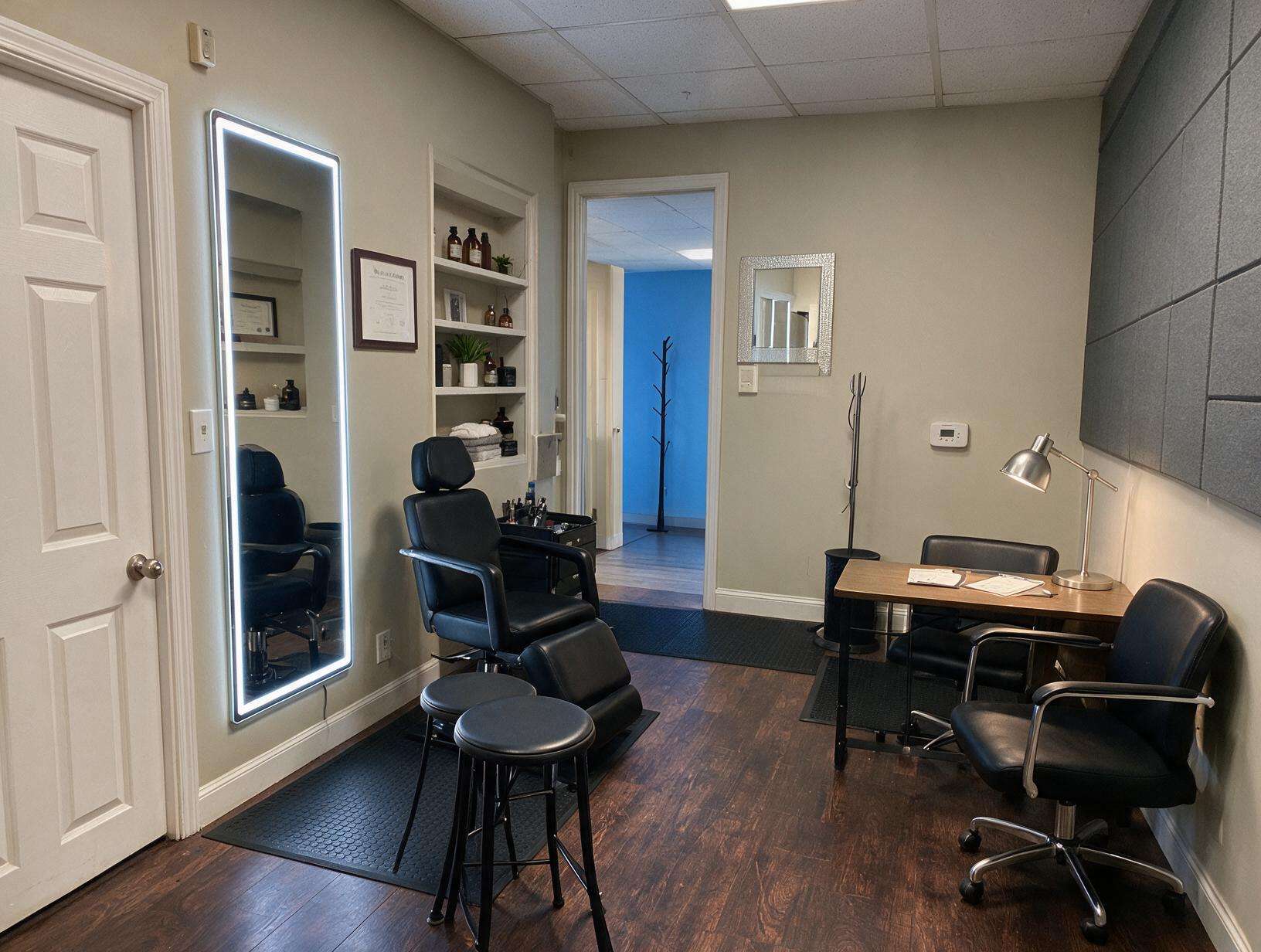
The most common SMP regrets involve an unsuitable hairline, pigment that looks too dark or blurred, unrealistic expectations, poor aftercare, and choosing an inexperienced practitioner. SMP is long-lasting and can be removed with laser, but prevention is easier than correction, so consultation and healed-work review matter.
Why do some people regret SMP?
In my experience, regret usually comes from a mismatch between what someone expected and what SMP is designed to do. Scalp micropigmentation creates the appearance of follicles or greater density by placing carefully matched pigment in the scalp. It does not grow hair, restore follicles or recreate a full head of hair.
A good result should reduce the contrast between your scalp and existing hair. Some scalp showing through is normal. Expecting a completely painted, dense-looking scalp can make a properly completed treatment feel disappointing, even when the work itself has healed well.
I explain this during consultation because realistic expectations are part of a safe decision. I also assess your hair loss pattern, existing hair, scalp condition, skin type and preferred style. Someone wanting a soft, mature hairline needs a different design conversation from someone who prefers a sharper, more youthful outline.
Which hairline decisions cause the most regret?
The hairline is one of the first things people notice, so an unsuitable design can make otherwise careful work look unnatural. A hairline that is too low, too straight, too symmetrical or too crisp may not suit your facial structure or age.
I do not believe a hairline should be chosen from a template. Before treatment, I mark the proposed area and discuss its position and shape with you. For a fully bald client, facial structure and age are important considerations. For someone with remaining hair, the design must also blend with the pattern and direction of the natural hair.
Another common source of regret is choosing a style that does not fit your day-to-day appearance. If you usually keep your hair very short, follicle replication may be appropriate. If you have thinning hair, male density treatment can place pigment between existing hairs to reduce visible scalp show-through. The plan should reflect how you actually wear your hair, not only how the result looks in a photograph.
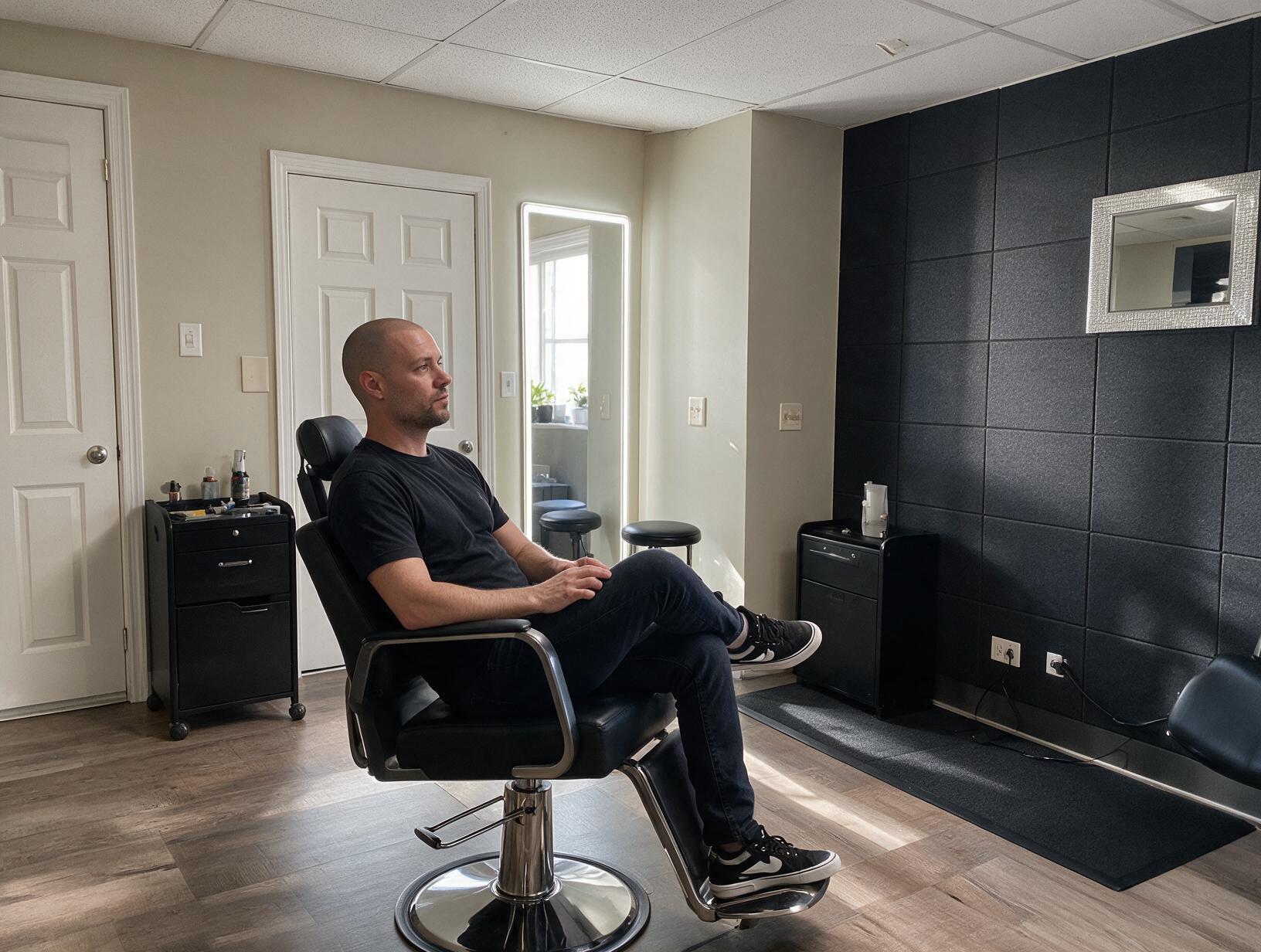
Can pigment color or placement lead to regret?
Yes. Pigment that heals too dark, too warm, too cool or too broadly placed can create an artificial appearance. The color I choose is matched to your current hair follicle color. Skin tone, natural hair color and the amount of remaining hair all affect how the result is perceived.
Placement matters just as much as color. SMP pigment is placed in the upper layers of the skin, where individual impressions can remain subtle. If pigment is placed too deeply, it may spread and heal as blurred patches. If the treatment is too light or shallow, it may fade sooner than expected. These are technical reasons to choose an experienced, licensed practitioner.
Fresh results can also look stronger than healed results. Color commonly softens during healing, so I ask clients not to judge the final appearance immediately after a session. Most treatments are completed over 2 to 4 sessions, usually spaced a few weeks apart, allowing the design and density to develop gradually.
How can poor preparation or aftercare affect satisfaction?
Aftercare does not replace good application, but it helps protect the result while the scalp heals. My general guidance is to keep the scalp dry during the first few days. Use a shower cap, avoid shampooing, heavy exercise, steam rooms and hot showers that cause sweating, and protect the scalp from sun exposure.
Gentle washing can usually resume once I tell you it is safe, following the instructions provided for your treatment. Normal grooming and scalp protection can then return progressively. Avoid swimming pools for as long as I advise, and use broad-spectrum sunscreen on the scalp long term to help protect the pigment.
Do not pick scabs or interfere with healing. Temporary darkening, lightening, flaking or light scabbing can be part of the normal settling process. If you notice unusual redness, warmth, swelling, discomfort or another concern beyond what we discussed, contact the practitioner promptly.
Allergies should be disclosed before treatment. People with a history of keloid scarring, active eczema or psoriasis should speak with a dermatologist before considering SMP. Female pattern hair loss can also have several possible causes, so medical assessment may be appropriate before treating suspected diffuse thinning.
How can I reduce the risk of regretting SMP?
Start by reviewing healed work, not only fresh photographs. Healed examples show whether hairline edges remain natural, whether impressions stay separate and whether the color suits the client after the initial intensity has settled. Ask to see work that resembles your hair loss pattern, skin tone and preferred finish.
During consultation, ask what pigment is used, how the hairline will be designed, how many sessions may be needed and what maintenance could involve. I explain that SMP typically holds well for one to three years before a top-up is recommended at Supreme SMP, although fading varies with skin, lifestyle and sun exposure. You can read more about the SMP longevity and touch-up timeline before making a decision.
Check that the practitioner is licensed and experienced, follows hygienic practice and holds appropriate blood-borne pathogens training. At Supreme SMP, I am a licensed body art practitioner with three SMP certifications, including two masters certifications, and a blood-borne pathogens certification. My background also includes a diploma in human anatomy and physiology, a degree in visual communications and work as a barber.
I provide SMP for shaved appearances, male density, female thinning, alopecia and scars. You can explore the scalp micropigmentation service to understand the treatment more fully, then review relevant examples through the SMP client testimonials and results page for the Boston area, from my clinic in Wilmington, Massachusetts.
SMP is intended to be long-lasting, but laser removal is possible if you change your mind. Removal can be more complicated when pigment has spread or was placed incorrectly, which is why careful design and conservative decision-making matter from the beginning.
If you are considering treatment, I would be happy to discuss your scalp, goals and realistic options in a consultation.
Frequently asked questions
Can SMP look natural if I still have hair?
Yes, SMP can be placed between existing hairs to reduce scalp show-through and create the appearance of greater density. The result depends on matching pigment to your current follicle color and blending the pattern with your natural hair. Keeping remaining hair at a consistent short length can also help it blend naturally.
What if I regret my SMP hairline immediately?
Do not judge the final result while the scalp is fresh, because the color can initially look stronger before softening during healing. Raise your concern promptly with your practitioner, avoid altering the area yourself, and attend the planned review before deciding on correction or removal.
Can scalp micropigmentation be corrected?
Some concerns can be improved with a careful correction plan, while widespread pigment migration or a fundamentally unsuitable design may be more difficult. The safest option depends on the healed color, placement, scalp condition, and original work. An experienced practitioner should assess the area before suggesting additional pigment.
Does SMP fade evenly for everyone?
No. Longevity varies with skin type, sun exposure, lifestyle, natural skin renewal, and the treated condition. Scarring or altered scalp tissue may hold pigment differently from normal skin. A top-up may eventually be recommended, but adding more pigment too early can make future adjustment harder.
Is SMP a bad choice for people with alopecia?
Not necessarily. SMP may camouflage some forms of alopecia, scars, and areas of reduced hair, but the pattern, activity, and scalp condition matter. If hair loss is changing or the scalp is inflamed, medical guidance may be appropriate before treatment. Results on scar tissue can also be less predictable.
Can I still change my hairstyle after SMP?
You can discuss different grooming options before treatment, but the design should suit how you expect to wear your hair most often. A shaved or very short style may show the follicle effect clearly, while density work can blend between existing hairs. Major hairstyle changes may alter how visible the treatment looks.