What sets scalp micropigmentation apart from body ink?
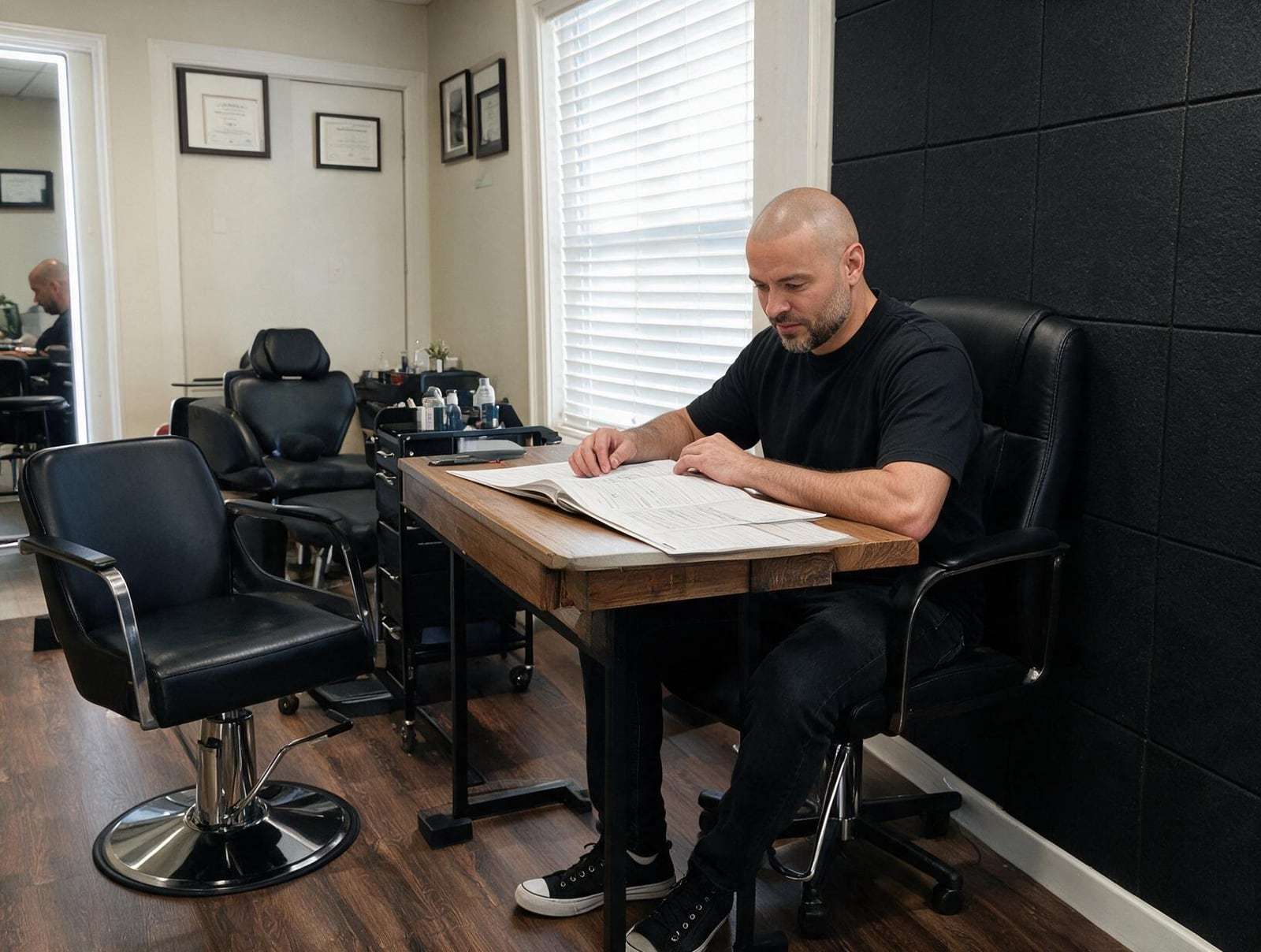
A hair tattoo, or SMP, is a specialized cosmetic tattoo designed to mimic tiny hair follicles. It differs from a regular tattoo in pigment placement, dot size, depth, color and design. SMP is applied more superficially and carefully calibrated to the scalp, creating the appearance of hair rather than an illustrated image.
Is SMP a tattoo?
Yes. SMP is a form of cosmetic tattooing, which is why people often call it a hair tattoo. I use fine needles to place small deposits of pigment in the scalp, but the purpose and technique are very different from creating a traditional body tattoo.
A regular tattoo usually creates an image, lettering or decorative pattern. The artist may use outlines, shading and a range of colors to build an illustration. With SMP, I create thousands of carefully placed follicle impressions. The aim is to reduce the contrast between the scalp and the hair, not to draw a picture on the skin.
SMP can give the appearance of a closely shaved head, add visual density between existing hairs, or soften the look of some scalp scars. It does not grow hair, change natural hair growth or repair the cause of hair loss. It is a camouflage treatment, so I discuss that distinction clearly during consultation.
How is a hair tattoo different from a regular tattoo?
The main difference is control. Traditional tattooing generally places ink deeper into the skin so a design can remain visible for many years. SMP is placed in the epidermal and upper dermal layers, using a depth and technique intended to keep each impression small and defined.
Depth matters because pigment placed too shallowly may fade quickly, while pigment placed too deeply can spread and become blurred. On the scalp, a blurred dot can look like an unwanted gray or blue mark rather than a natural follicle. My approach is deliberately measured, with attention to spacing, pressure, skin response and the way the work will heal.
The material also has a specific role. For SMP, I select a pigment color to match the client’s current hair follicle color. I match the shade carefully rather than defaulting to black. The correct tone must work with the person’s hair, skin and overall appearance, including how it may soften as it ages.
The visual language is different too. A body tattoo can be bold and saturated by design. A convincing SMP result needs variation in density and a natural hairline. I may create a subtle, soft and mature hairline, or a crisper youthful shape, depending on facial structure, age, existing hair and the client’s preference.
Does a hair tattoo feel like a regular tattoo?
There is some sensation because the scalp is being treated with a needle, but the experience is not identical to a conventional tattoo. SMP uses small, repeated impressions rather than the same dragging movement often associated with outlining or shading a body design. Many people describe the feeling as tapping, scratching or mild stinging.
Comfort varies by person and by area. The temples and the back of the head can feel more sensitive for some clients. Numbing cream is not typically used, as it may affect pigment retention, but it is available if needed and I can discuss comfort options before we begin. I also encourage prospective clients to read my guide to what SMP feels like and how comfort is managed.
Most treatments are completed over two to four sessions, usually spaced a few weeks apart. This staged process allows the scalp to settle and gives me the opportunity to assess how the pigment is healing before refining density, shape or blending.
How long does SMP last compared with a regular tattoo?
A regular tattoo is generally intended to remain for a very long time, although it can fade and change with age, sun exposure and the skin itself. SMP is also intended as a lasting cosmetic treatment, but the scalp naturally exfoliates and the small pigment deposits gradually soften.
At Supreme SMP, I explain that SMP typically holds well for one to three years before a top-up is recommended. The timing varies with skin type, lifestyle, sun exposure, grooming habits and the area treated. Regular sun protection can help protect the appearance of the pigment over time.
A top-up is not the same as starting again. It is usually a maintenance appointment to refresh a softened result and keep the follicle impressions balanced. You can read more about whether a hair tattoo is permanent and how it changes over time.
What should I look for when choosing an SMP artist?
Because the hairline is highly visible, I recommend judging a practitioner by healed examples, not only by photographs taken immediately after a session. Look closely at the hairline, the spacing of the impressions, the transition into existing hair and whether the result still appears natural once the skin has settled.
Licensing and hygiene matter as well. I am licensed as a body art practitioner and hold three scalp micropigmentation certifications, including two master certifications, as well as blood-borne pathogens certification. My background in human anatomy and physiology, visual communications and barbering informs how I approach facial balance, hairline design and blending.
During consultation, I assess the scalp, discuss expectations and agree the proposed hairline before treatment. I also ask about allergies and relevant skin concerns. Anyone with active eczema or psoriasis, or a history of keloid scarring, should discuss suitability with an appropriate medical professional before proceeding.
Before a session, wash your hair and scalp. After treatment, follow the specific aftercare instructions provided. General guidance includes keeping the scalp dry at first, avoiding heavy exercise, steam rooms and hot showers that cause sweating, and avoiding direct sun exposure for several days. Do not pick at flaking or scabbing. Once healed, scalp sun protection is important for maintaining the color.
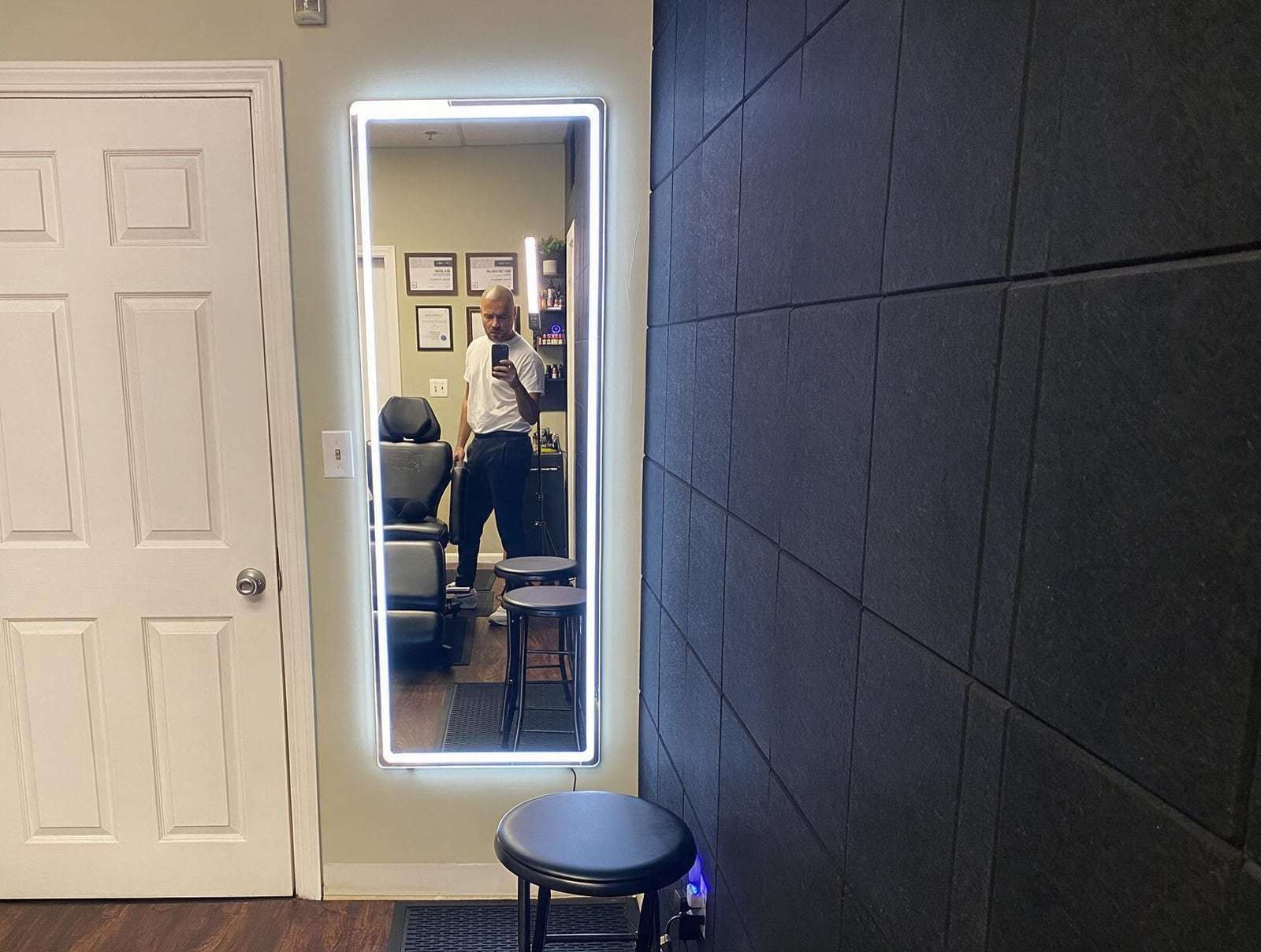
My clinic is in Wilmington, Massachusetts, and I serve the Boston area. My SMP client examples and testimonials can help you understand the type of work to review before making a decision.
If you are considering this treatment, booking a consultation is a simple way to discuss your scalp, hairline and expectations.
Frequently asked questions
Can SMP look unnatural if it is done incorrectly?
It can look unnatural if pigment is placed too deeply, the color is poorly matched, the dots are too large or the hairline is designed without considering the face. This is why I recommend reviewing healed work and asking detailed questions about technique, pigment and aftercare before booking.
Can SMP be used if I still have hair?
Yes. SMP can be applied between existing hairs to reduce visible scalp show-through and create the appearance of greater density. The best approach depends on your hair length, color, pattern of thinning and styling habits. I discuss whether a fine stubble look or another grooming approach will blend most naturally.
Will SMP damage my existing hair follicles?
SMP is designed to create a visual effect on the scalp and does not change natural hair growth. It does not make existing follicles grow or stop growing. A consultation is still important when hair loss is changing, because SMP can camouflage appearance without diagnosing or treating the underlying reason for thinning.
Can a hair tattoo be removed?
SMP can be removed later with laser treatment, although removal is not something to approach casually. The original depth, color and application quality can affect the process and the risk of complications. I encourage clients to make a considered decision and choose an experienced, licensed practitioner from the beginning.
Is SMP suitable for a scalp scar?
SMP may help camouflage some scalp scars, including scars related to hair procedures or injury. Scar tissue can accept pigment differently from ordinary scalp skin, so results and the number of sessions vary. I assess the scar's condition, texture and maturity during consultation before recommending an approach.
What should I bring up during an SMP consultation?
Tell the practitioner about allergies, skin conditions, previous scalp procedures, medications and any history of abnormal scarring. Bring an honest idea of the look you want, but remain open to professional guidance about hairline shape, density and color. A clear consultation helps set realistic expectations before treatment.