How I create a natural-looking hairline for women
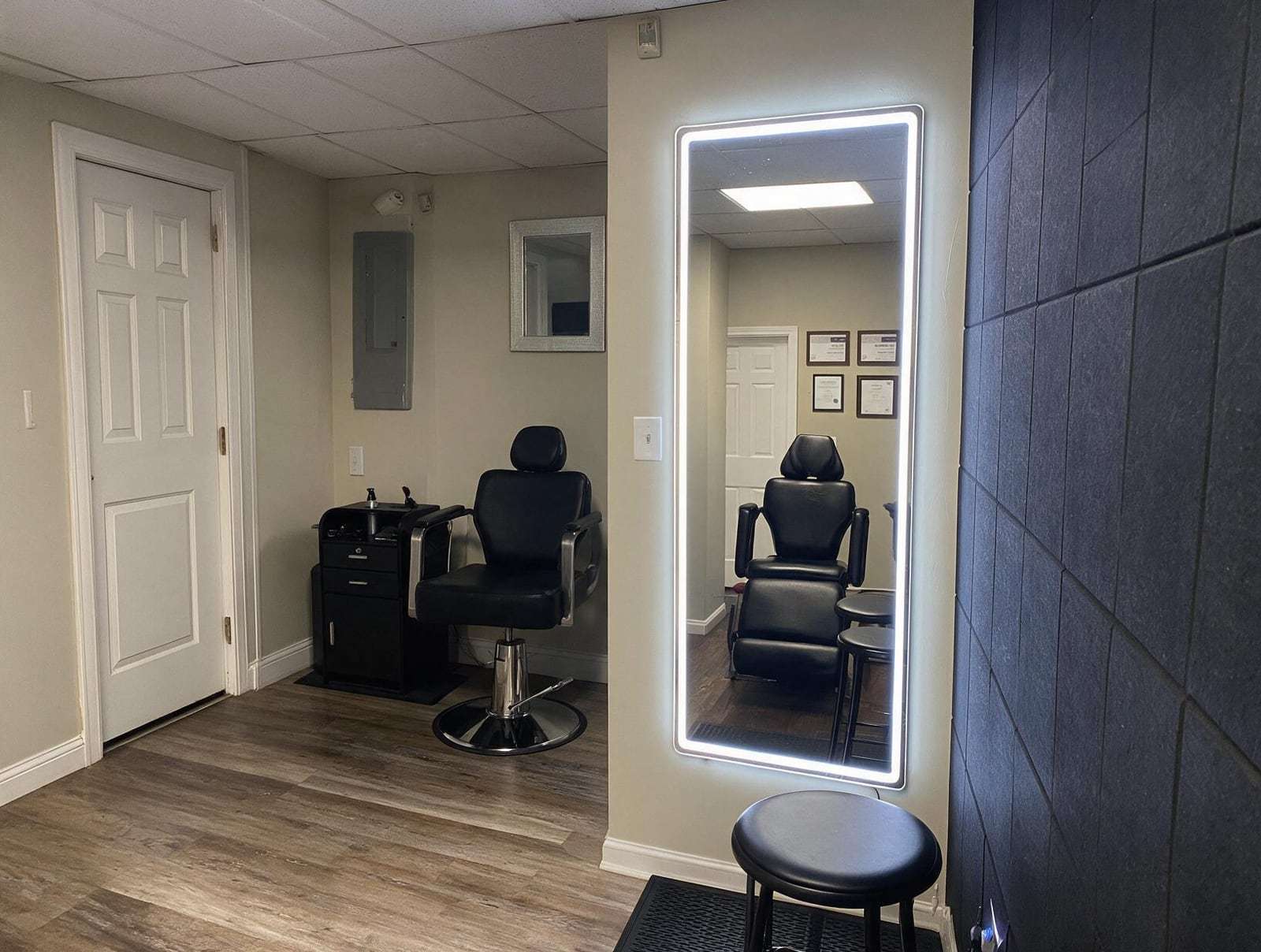
Female SMP handles the hairline with a soft, carefully blended design rather than a hard, uniform line. I assess your facial structure, age, existing hair and thinning pattern, then place matched pigment to reduce visible scalp. The goal is natural-looking density and a believable transition, not a painted edge.
Why does the female hairline need a different approach?
When I plan a female hairline, I am usually not trying to recreate a shaved hairstyle. Many women keep their hair at its existing length, so the work needs to sit naturally among the hairs that are already there. The goal is often to soften scalp show-through at the front, temples, part or crown.
Female pattern hair loss commonly creates diffuse thinning, while the frontal hairline may remain relatively intact. Other patterns can involve the temples, a widening part, localized alopecia or scarring. I first look at where the contrast between scalp and hair is most noticeable. That tells me whether the hairline itself needs treatment, or whether density work behind it will create the more natural improvement.
The hairline is one of the most important parts of scalp micropigmentation to assess when choosing a practitioner. If it is too straight, too low, too dark or too dense, it can look separate from the rest of the scalp. I use small, controlled impressions and a graduated edge so the transition is subtle rather than obvious.
How do I design a natural female hairline?
There is no single female hairline that suits everyone. During consultation, I consider your facial structure, age, hair color, skin tone, existing hairline and usual hairstyle. We discuss how much definition you want and whether you prefer a soft, mature appearance or a crisper, more youthful look. I create different hairline types for both men and women.
For a woman with existing hair, I normally work with the natural direction and distribution of that hair. The pigment can be placed between follicles to reduce the amount of scalp showing through. I do not create one solid band at the front. Instead, the front edge is kept lighter and less uniform, with density building gradually behind it.
Pigment is selected to match your current hair follicle color. That matters whether your hair is blonde, brown, black or gray. Matching the follicle appearance helps reduce contrast between hair and scalp. It does not mean making the scalp look black or changing the color of your natural hair.
Before treatment begins, the areas are marked and we agree on the proposed hairline and density. I want you to understand the plan before any pigment is placed. A realistic plan also recognizes that some scalp showing through is normal. SMP creates the visual impression of fuller hair, not a completely covered or painted scalp.
Can women keep their hair long after hairline SMP?
Yes. Female hairline SMP does not require every client to shave her head. It can be placed between existing hairs to reduce visible scalp and help longer hair appear fuller. Your styling routine, hair length and the direction in which your hair falls all form part of the assessment.
Some clients have a small area at the temples or front that they want to make less noticeable. Others have more widespread thinning and benefit from work across the part, crown or other areas where the scalp shows through. If hair loss is more advanced, we discuss whether the treatment should support a closely clipped appearance instead.
SMP does not grow hair, change natural hair growth or repair the cause of thinning. It is a cosmetic camouflage treatment. If you suspect female pattern hair loss, it is sensible to speak with a qualified medical professional about the cause and arrange appropriate assessment before treating it. Other diseases, metabolic conditions and hormone imbalances can sometimes create similar-looking loss.
I offer female SMP, as well as SMP for alopecia and scalp scars. You can read more about the approach on my scalp micropigmentation service page.
What happens during the sessions?
Most treatments are completed over two to four sessions, usually spaced a few weeks apart. The exact plan depends on the size of the area, your existing hair, skin response and the density we are building. I assess the healed result as we go rather than trying to create the final appearance in one appointment.
Before your first session, wash your hair and scalp so the area is clean. I mark the treatment zones, confirm the design and match the pigment. Numbing cream is not typically used, because it may affect pigment retention depending on skin type and reaction. It is available if needed and applied one hour before the session.
During the application, I place tiny deposits in a controlled pattern. Placement, spacing and depth all matter. Too much density at the hairline can remove the natural softness, while poorly controlled pigment can spread or heal unevenly. My background in barbering, visual communications and human anatomy and physiology helps me assess the design as part of your overall appearance.
How should I care for the treated hairline?
Aftercare affects how the pigment settles. For the first several days, keep the scalp dry, including while bathing. A shower cap can help. Avoid heavy exercise, steam rooms and hot showers that make you sweat, and follow my instructions on when to wash. Avoid direct sun exposure on the scalp during the early healing period.
Follow the specific instructions I give you, and do not pick scabs or interfere with flaking. It is normal for the color to look stronger at first and then soften as healing takes place. Gentle washing can usually resume after the initial dry period, followed by normal grooming as the scalp settles. Long term, broad-spectrum sunscreen helps protect the pigment from sun-related fading.
Contact me if you notice redness, swelling, warmth, unusual discomfort or any healing concern that goes beyond what we discussed. Inform me about allergies before treatment, and tell me about relevant skin conditions or a history of keloid scarring. Active eczema or psoriasis and a tendency to form keloids may require discussion with a dermatologist before proceeding.
How long does the result last?
At Supreme SMP, I explain that SMP typically holds well for one to three years before a top-up is recommended. Longevity varies with skin type, sun exposure, lifestyle and how your skin retains pigment. The result does not wash away with shampoo, but it gradually softens and fades over time.
A top-up is not about changing your face or forcing a new hairline. It is usually a way to refresh softened density and maintain a natural transition as your hair, style and preferences change. SMP is intended as a permanent cosmetic treatment, and laser removal is possible later, so careful planning at the beginning matters.
I am licensed as a body art practitioner and hold three SMP certifications, including fundamentals and two master certifications, as well as blood-borne pathogens certification. I also hold a diploma in human anatomy and physiology, a degree in visual communications and barbering expertise. My studio is in Wilmington, Massachusetts, serving clients from the Boston area. You can also review client examples and testimonials for the Boston area when researching your options.
If you are considering this, a consultation gives us time to look at your pattern of thinning and agree on a design that fits you.
Frequently asked questions
Will a female SMP hairline look like a drawn-on line?
It should not when the design is properly planned and pigment is placed with a graduated transition. I avoid a uniform strip at the front and work with your existing hair, facial structure and preferred definition. The immediate result may look stronger, but it softens during healing.
Can female hairline SMP cover a widening part as well?
Yes, treatment can include areas beyond the front edge, including a widening part, temples or crown. The appropriate area depends on where your scalp is most visible and how your hair is styled. I assess the overall pattern so the hairline and density work appear connected.
Is female hairline SMP suitable for blonde or gray hair?
It can be considered for different hair colors, including blonde and gray. I choose pigment to work with your current follicle color and reduce contrast between scalp and hair. The plan is individualized because skin tone, hair texture, remaining density and your desired result affect the match.
Does the treatment hurt around the female hairline?
Some sensitivity is possible because the scalp is treated. Numbing is available if needed, and I check your comfort during the appointment. Numbing cream is not typically used in advance because it may affect retention for some skin types, but it can be provided when appropriate.
Can I change the hairline later if my hairstyle changes?
A careful initial design should allow for normal changes in styling and hair density. SMP is a permanent cosmetic treatment, so it should not be planned casually or placed too low. A top-up can refresh softened pigment, but changing an established design may require specialist assessment or removal.
What should I bring to my SMP consultation?
Bring questions about the hairline, density and aftercare, and be ready to discuss your usual hairstyle and any history of hair loss, allergies, skin conditions or scarring. Explain how subtle or defined you want the result to be so I can assess whether your expectations are realistic.
Can SMP treat hair loss caused by alopecia?
SMP may camouflage some forms of alopecia and make affected areas less noticeable, but it does not treat the underlying condition or restore hair growth. Suitability depends on the type and activity of the alopecia, skin condition and pattern stability. These details should be discussed during consultation.