Choosing between SMP and a hair restoration clinic
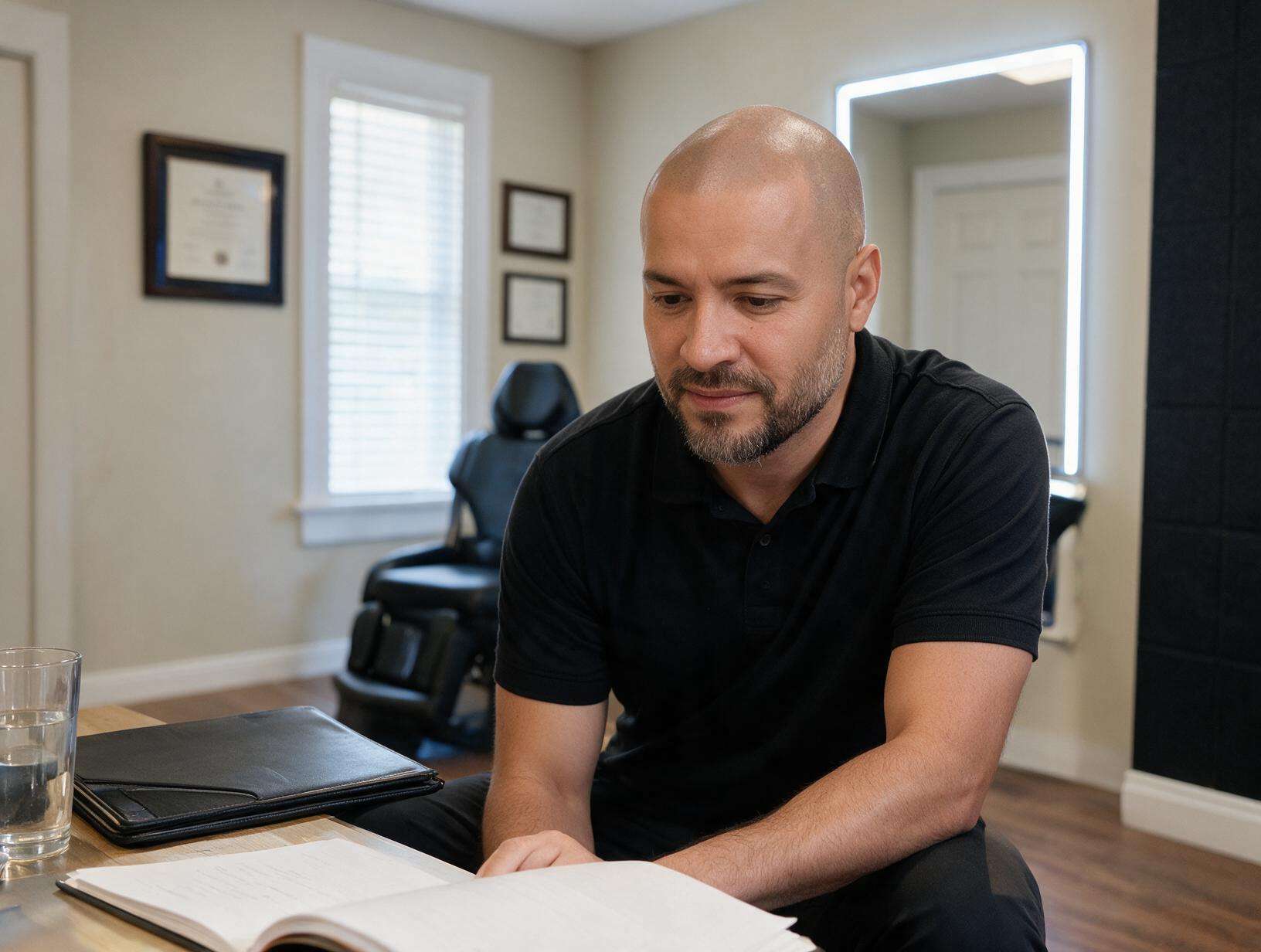
SMP and hair restoration clinics may both help people concerned about hair loss, but they do different things. Hair restoration clinics commonly assess medical hair loss and may offer surgical or medication-based options. SMP is a non-surgical cosmetic tattoo treatment that creates the appearance of follicles, density or a closely shaved head without growing hair.
Mechanical check failed: the Wilmington, Massachusetts location is never mentioned in the body. Add it once naturally, for example change 'At Supreme SMP, I use' to 'At Supreme SMP in Wilmington, Massachusetts, I use'. The business is not in Boston, so do not imply that. When someone searches for Bosley scalp micropigmentation, they are often comparing two different approaches to the same concern: visible hair loss. The important question is whether you want to change hair growth or change the way the scalp looks.
Hair restoration clinics generally focus on diagnosing and managing hair loss, with options that may include medical treatment or hair transplant surgery. A transplant moves hair follicles from one area to another. SMP does not move follicles, stimulate growth or alter the underlying cause of hair loss.
At Supreme SMP, I use carefully placed pigment impressions to reduce the contrast between the scalp and existing hair. This can create the appearance of a fuller look between existing hairs, disguise some scars or create a consistent shaved-head appearance. It is a visual solution, not a treatment for the disease causing hair loss.
You can read more about the treatment itself on my scalp micropigmentation service page.
How does SMP compare with a hair transplant?
A hair transplant is a surgical procedure that uses real follicles. It may be considered when someone has suitable donor hair and wants the possibility of natural hair growth in a recipient area. It involves a different consultation process, healing period and set of medical considerations.
SMP is non-surgical. I deposit cosmetic pigment into the epidermal and upper dermal layers of the scalp, using small impressions that resemble visible hair follicles. It does not require incisions, and it does not damage existing hair follicles. There is no transplant growth period to wait through.
That does not make one option right for everyone. Someone may prefer a transplant because regrowth is their priority. Someone else may prefer SMP because they want an immediate visual change, have limited donor hair, want to camouflage a scar or prefer a close-cropped appearance. SMP can also complement a previous transplant by reducing the appearance of donor scarring or scalp show-through.
If you have recently had a transplant, timing matters. I would want to understand where you are in the healing process before discussing treatment, rather than making assumptions from photographs alone.
What makes the SMP consultation different?
In my consultation, I focus closely on the pattern of loss, the condition of the scalp, your preferred hairstyle and the result that will look believable on your face. We discuss whether you want a shaved appearance, more visual density between existing hair, or camouflage for alopecia or scarring.
Hairline planning is especially important. I assess facial structure, age and the existing hair pattern before we agree where the hairline should sit. A hairline that is too low, too straight or too dark can make even technically neat work look unnatural. I can create a softer, mature hairline or a crisper style, depending on what suits you.
Pigment is matched to your current hair follicle color, not selected simply because your skin is light or dark. The goal is not to paint the scalp a solid color. Some scalp showing through is normal and helps the result resemble real hair rather than a filled-in surface.
My background includes three SMP certifications, a body art practitioner licence, blood-borne pathogens certification, education in human anatomy and physiology, visual communications training and professional barbering experience. You can learn more on my practitioner and credentials page.
Which hair loss concerns can SMP address?
SMP may be suitable for men and women with different patterns of visible hair loss. I offer treatments for shaved looks, male density, female thinning, alopecia and scars. It may also help reduce the appearance of a receding hairline, diffuse scalp show-through, donor scars or certain areas affected by trauma.
For female pattern hair loss, the pattern and cause deserve particular care. Diffuse thinning can have more than one explanation, so medical assessment and appropriate blood tests may be sensible before cosmetic camouflage. SMP cannot diagnose or treat an underlying condition.
If you have active eczema or psoriasis, a history of keloid scarring, or another scalp concern, disclose it before booking. I also need to know about allergies and relevant medical history so we can discuss suitability responsibly.
For readers comparing results, I have also put together a page showing SMP client examples from the Boston area. Real examples are more useful than a promise because every scalp, hair pattern and healing response is different.
How many sessions and what aftercare does SMP involve?
Most treatments are completed over two to four sessions, usually spaced a few weeks apart. The number depends on the area, the density being created, the skin and the agreed result. Numbing cream is not typically used because it can affect pigment retention depending on skin type and reaction, but it is available if needed and applied one hour before a session.
Before treatment, wash your hair and scalp. During the appointment, I mark the treatment area, discuss the hairline, confirm pigment choice and work gradually. A careful pace allows me to assess how the skin is accepting each impression instead of trying to create excessive density in one visit.
After treatment, follow the specific instructions I give you. General aftercare includes keeping the scalp dry during the early healing period, avoiding shampoo, heavy exercise, sweating, steam rooms and hot showers for the first several days, and protecting the scalp from sun exposure. Do not pick scabs or interfere with the healing skin. Lightening during healing can be normal.
After the initial healing stage, gentle washing can resume as advised. Long term, sunscreen helps protect the pigment. SMP commonly holds well for one to three years before a top-up is recommended, although lifestyle, skin type, sun exposure and the treated area affect longevity.
How should I compare providers?
Whether you are comparing Supreme SMP with Bosley or another hair restoration chain, look beyond the logo and ask who will personally perform the treatment. Review healed work, not only fresh photographs. Pay particular attention to hairlines, density work, scar camouflage and examples involving a similar hair color, skin tone and degree of loss.
- Ask how the practitioner plans your hairline and matches pigment.
- Confirm licensing, blood-borne pathogens training and relevant SMP education.
- Discuss allergies, scalp conditions, previous transplants and realistic expectations.
- Ask what happens if you later want a top-up or laser removal.
SMP is intended to be permanent cosmetic work, although it fades and can later be removed with laser treatment. Choosing an experienced, licensed practitioner matters both for the first result and for any future correction.
If you would like to understand whether SMP fits your goals, you can book a consultation with me.
Frequently asked questions
Can SMP be used without shaving all my hair?
Yes. SMP can be applied between existing hairs to reduce visible scalp show-through, which is often called density SMP. The best approach depends on hair length, color contrast, the pattern of thinning and how you normally style your hair. A consultation helps establish whether blending will look natural for you.
Does SMP hide a hair transplant scar?
It can camouflage some donor or recipient-area scarring by reducing the contrast between the scar and surrounding hair or skin. Scar tissue can accept pigment differently from normal scalp, so the treatment needs careful assessment. I would review the scar’s maturity, texture and color before recommending a plan.
Can SMP and hair restoration treatment be combined?
They can sometimes complement one another, but the order and timing matter. SMP may help disguise remaining scalp show-through or transplant scarring, while a transplant addresses hair growth. Anyone considering both should coordinate plans with the relevant practitioners and wait until surgical healing is sufficiently advanced.
Will SMP look like a painted or solid scalp?
It should not. Natural-looking SMP uses controlled impressions, spacing and pigment matching rather than covering the scalp with one flat color. Some scalp showing through is expected. The final appearance also depends on your existing hair, chosen hairstyle, skin and how the pigment heals.
Is SMP suitable if my hair is gray or white?
It may be, but pigment selection should reflect the visible follicle color and the overall effect you want. Gray or white hair can create a different contrast from dark hair, particularly under strong light. I would assess your natural hair, skin tone and preferred haircut before choosing the shade and density.
What happens if my hair loss continues after SMP?
SMP does not stop or change hair loss, so future changes in your natural hair pattern are possible. The original design should account for your likely pattern and preferred grooming style. If your appearance changes later, a review can determine whether a top-up, adjustment or different haircut would provide the best balance.